23 February 2026
RETN launches Tallinn–Cēsis backbone route
 
23 February 2026
Data Centre Alliance, Clear Decisions launch Regulatory Radar
 
23 February 2026
Daikin to showcase data centre solutions at DCW 2026
 
20 February 2026
Secure I.T. completes Qatar financial data centre design
 
20 February 2026
Johnson Controls to acquire Alloy Enterprises
 

Latest News

How Elevate is redefining data centre infrastructure
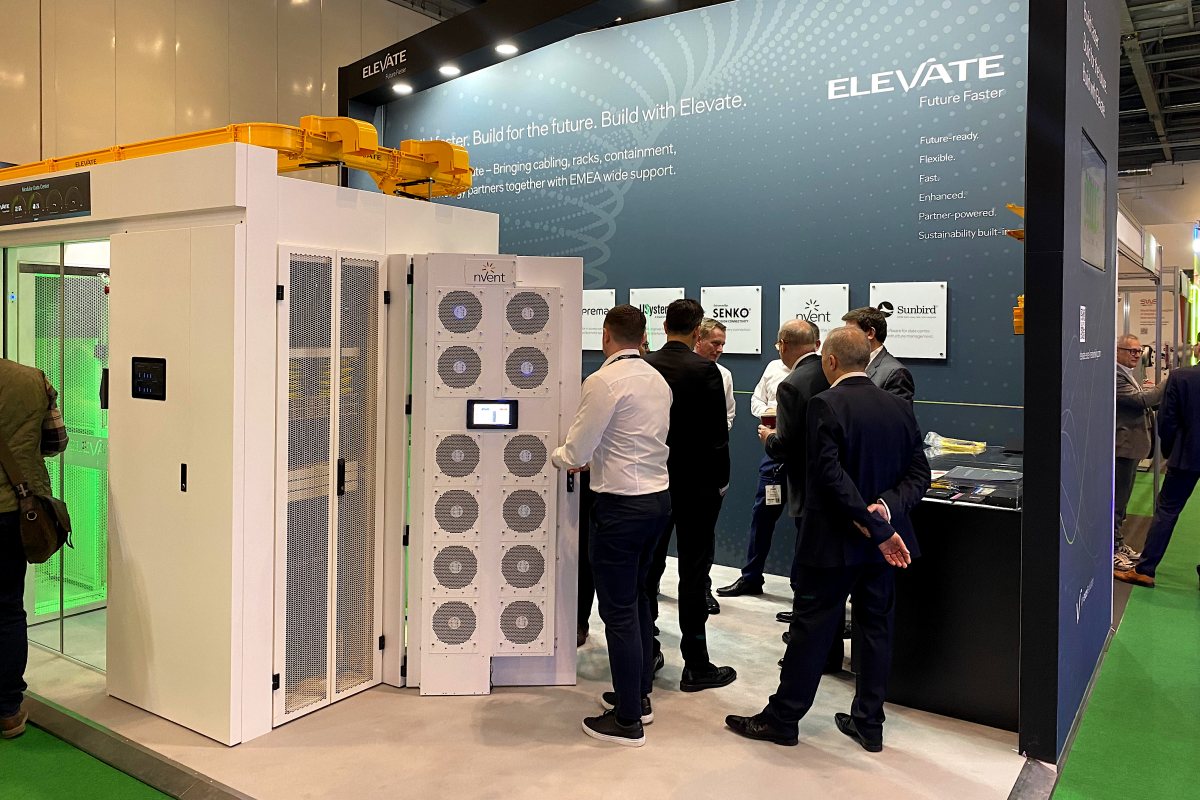
It feels like yesterday that Elevate – Future Faster launched at Data Centre World 2025. Since then, the team have been working closely with operators, integrators, and partners to understand where white space designs struggle under pressure, namely: how density is increasing, how airflow and power must evolve, and how programmes need to accelerate without increasing operational risk. Now, as Elevate returns for year two at Data Centre World on Stand B180, it isn’t “new for the sake of new”; it’s a platform that closes the gap between what modern data centres demand and what infrastructure can realistically deliver – more density, more control, and more scale, without complexity creeping in through the back door. Elevate was built as an integrated ecosystem: fibre, racks, aisle containment, power, and security engineered to work together with clean installation, clear labelling, and predictable operation. In its second year, that ecosystem has expanded significantly, with wider choices for high density fibre, more robust airflow strategies, and smarter power and physical security options designed to make scaling easier. Addressing today’s data centre challenges Modern data centres face a familiar set of pressures: rising density, faster change cycles, and tighter operational guardrails. Elevate is designed to help teams keep pace. Densification is no longer optional. Port counts rise, but physical space doesn’t. Elevate’s high-density fibre solutions – VSFF, MPO, and modular ODF architectures – deliver more ports in the same rack unit space while maintaining front access, bend radius control, and clear labelling. The goal isn’t only to fit more, but to manage more. Thermal performance is another sticking point. As loads increase, improvised airflow tactics break down. Elevate’s hot and cold aisle containment is engineered to integrate properly with racks, cable pathways, and power routes. The result is stable airflow separation and higher cooling efficiency across mixed hardware environments. Power, too, needs to evolve. It is no longer enough to energise a rack; operators need visibility, telemetry, and control. Elevate’s high-density intelligent power provides meaningful insight – usage, load, switching – so day two operations become more predictable and less prone to surprises. Deployment speed matters as much as performance. To avoid delays and rework, Elevate prioritises pre-connectorised designs and engineered pathways. Pre-configured fibre assemblies and pre-populated ODF trays reduce on site variability, shorten install windows, and improve “first time right” outcomes. Moreover, as estates grow, clarity becomes critical. Structured labelling, clean patch presentation, and tray level guidance help maintain consistency long after the initial build and far beyond the day one installation. Fast, reliable availability rounds out the approach. Predictable supply chains and standardised configurations help teams maintain design intent and execute programmes without interruption. Advancing the Elevate Platform for 2026 This year, Elevate introduces a number of key additions designed to meet the demands of increasingly dense, increasingly dynamic data centres: 1. VSFF ultra high density pre-connectorised fibre optics deliver far higher port density within standard 1U and 2U panel formats, reducing splicing, test cycles, and deployment time. 2. Hot aisle containment supports facilities optimised around hot air capture and reuse, improving thermal stability as densities rise. 3. High density intelligent power adds the visibility and control required to balance loads, automate switching, and support safe change windows. 4. Intelligent rack locking delivers scalable, auditable access control. 5. High-density ODFs with pre-connectorised trays provide structured, repeatable patching fields with predictable routing and clear documentation. Alongside these additions, the DCR Rack Series, cold aisle containment, and MPO high-density, pre-connectorised solutions return with refinements that make dense builds easier to construct, cool, and maintain. These aren’t isolated features; they’re responses to real operator pressures, helping teams design once, scale confidently, and maintain operational clarity. Experience the Elevate platform at DCW London The most reliable way to evaluate infrastructure is to see the engineering up close. At DCW London, Stand B180, you can explore ODF trays, routing paths, containment interfaces, intelligent power options, and rack level access control, as well as discuss how Elevate can support your growth, densification, or refresh plans for 2026. And while you’re there, enter Elevate’s on-stand competition for a chance to win a pair of Apple AirPods. For more from Elevate, click here.

EXFO launches high fibre count data centre testers
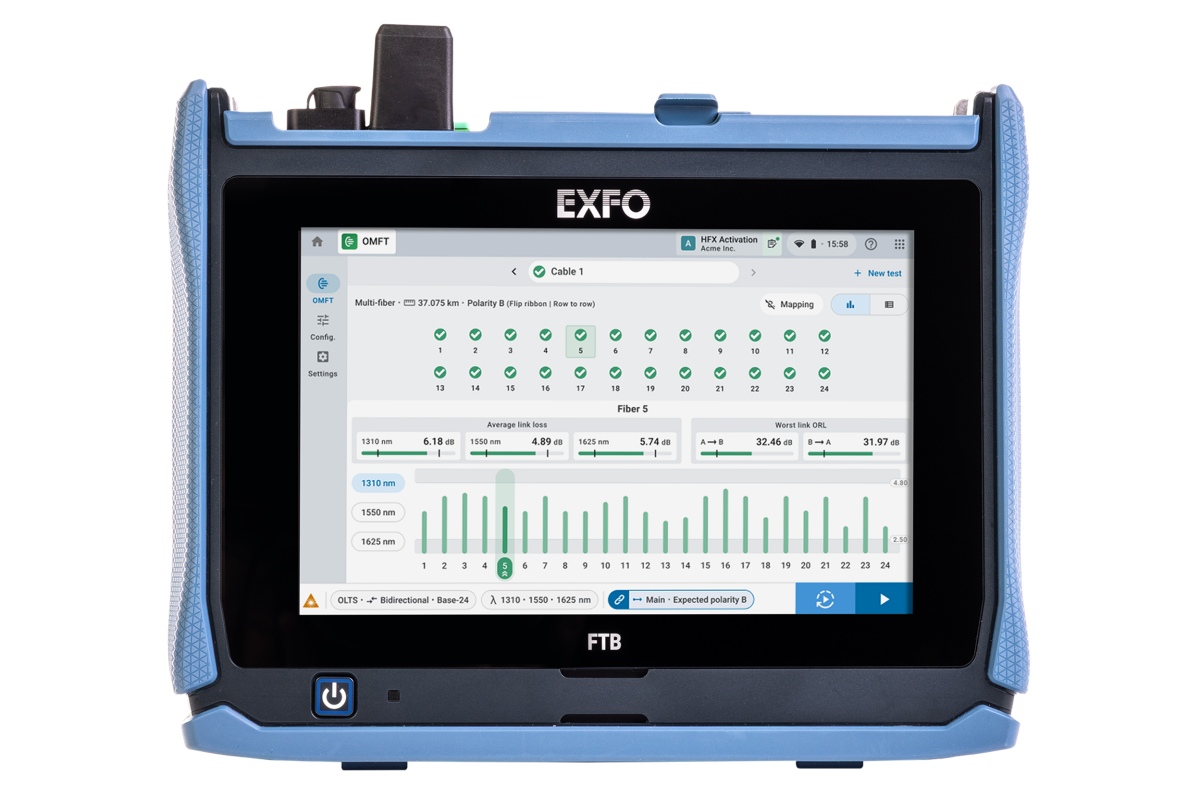
EXFO, a Canadian provider of test, monitoring, and analytics equipment for data centres and telecommunications networks, has introduced a high fibre count data centre testing platform with two new instruments designed for hyperscale and AI infrastructure deployments. The testers will be demonstrated at Data Centre World London 2026 on 4–6 March (Stand B202), alongside a separate showcase at OFC 2026 in Los Angeles on 17–19 March (Booth 523). The release includes two native 24-fibre capable instruments: the FTB-Lite simplex, duplex, and multi-fibre bidirectional certifier, and the PXM/LXM duplex and multi-fibre optical loss test set (OLTS). The equipment is intended to support certification and troubleshooting across large fibre installations in and around data centres. Etienne Gagnon, General Manager Test & Measurement at EXFO, says, “EXFO is trusted by all major hyperscalers to support the accelerated pace of data centre and network builds happening today. “Our high fibre count solution, now reinforced with the only native 24-fibre testers on the market, simplifies testing and enables scaling-up faster to give our customers a competitive advantage as they respond to exponential growth in AI-driven demand.” Testing, certification, and diagnostics The platform supports Tier 1 certification, optical return loss measurement, and Tier 2 troubleshooting across fibre counts up to 24 fibres. Features include automated bidirectional testing, referencing tools, and connector end-face analysis. EXFO says the system is designed to address the increased number of links, connectors, and handling requirements associated with high-density fibre deployments, while reducing the risk of testing errors during large-scale construction projects. For more from EXFO, click here.

New hyperscaler capacity to outpace colocation in Europe
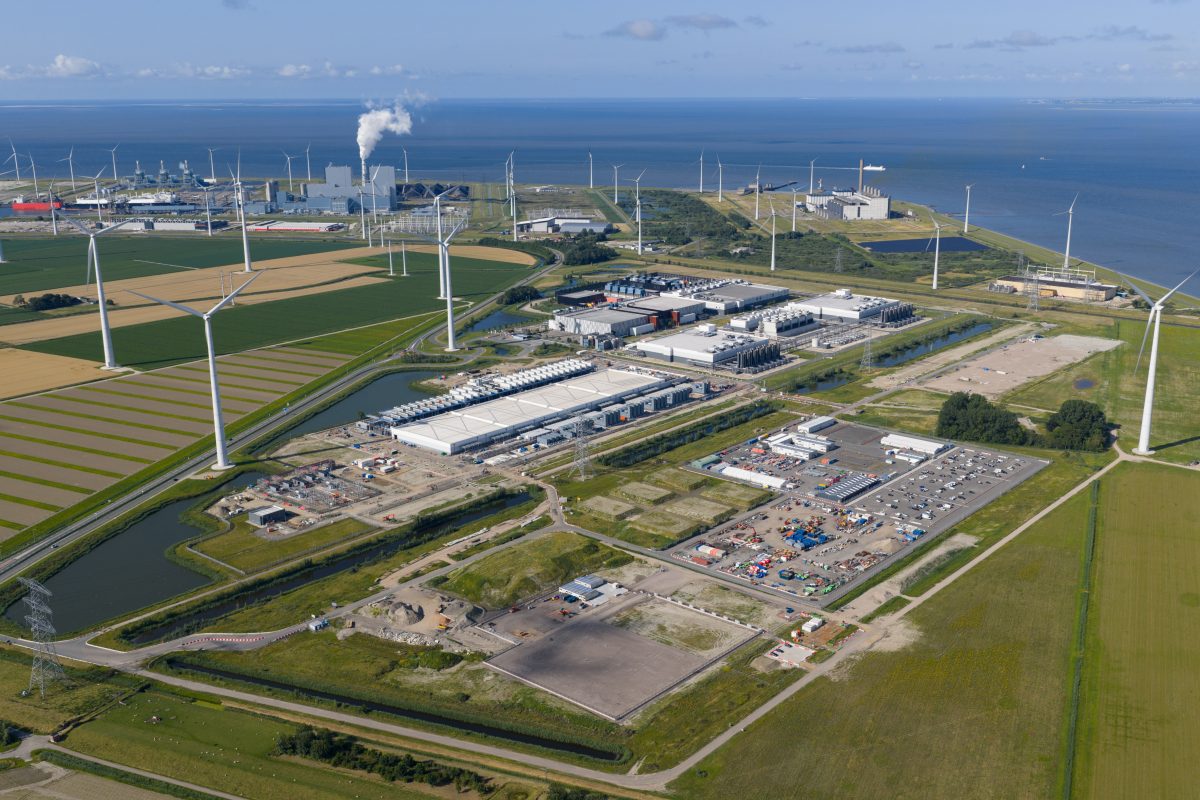
Data centre capacity owned and operated exclusively by hyperscalers, also known as 'self-builds', in Europe is expected to outpace the growth of colocation supply in 2026, according to new research from real estate services company CBRE. The latest research shows that hyperscaler self-build capacity across Europe is expected to reach 4.2GW this year, representing 24% year-on-year growth compared to 2025. This new supply will be delivered across nine European countries, marking the seventeenth consecutive year of double-digit expansion for the segment. Hyperscalers are set to deliver a record level of self-build capacity this year as they expand cloud regions and support increasing volumes of equipment dedicated to artificial intelligence workloads. As of Q4 2025, approximately 60% of Europe's operational hyperscaler self-build capacity is located in Ireland, the Netherlands, Sweden, and Belgium. By comparison, the top 15 European colocation data centre markets are expected to grow 19% year-on-year. Despite slower growth relative to new hyperscaler self-builds, the European colocation segment will remain significantly larger. Strong demand endures CBRE notes that demand for colocation facilities remains robust across Europe. Hyperscalers and neocloud providers continue to rely on developer-operators for rapid delivery, flexible design options, and the ability to secure capacity on shorter timelines. Andrew Jay, Head of Data Centre Solutions, Europe at CBRE, says, "The hyperscaler self-build segment is growing as hyperscalers are looking to build facilities at scale and control more of the supply chain, the design of the facility, and ensure they have the power necessary." Kevin Restivo, Director, European Data Centre Research at CBRE, adds, "Traditionally, the fastest route to market for hyperscalers in need of data centre capacity delivered are the developer-operators. We expect this to remain true for the foreseeable future. Hyperscalers will, in some instances, build their own facilities though." For more from CBRE, click here.

Geberit to highlight piping systems at DCW 2026
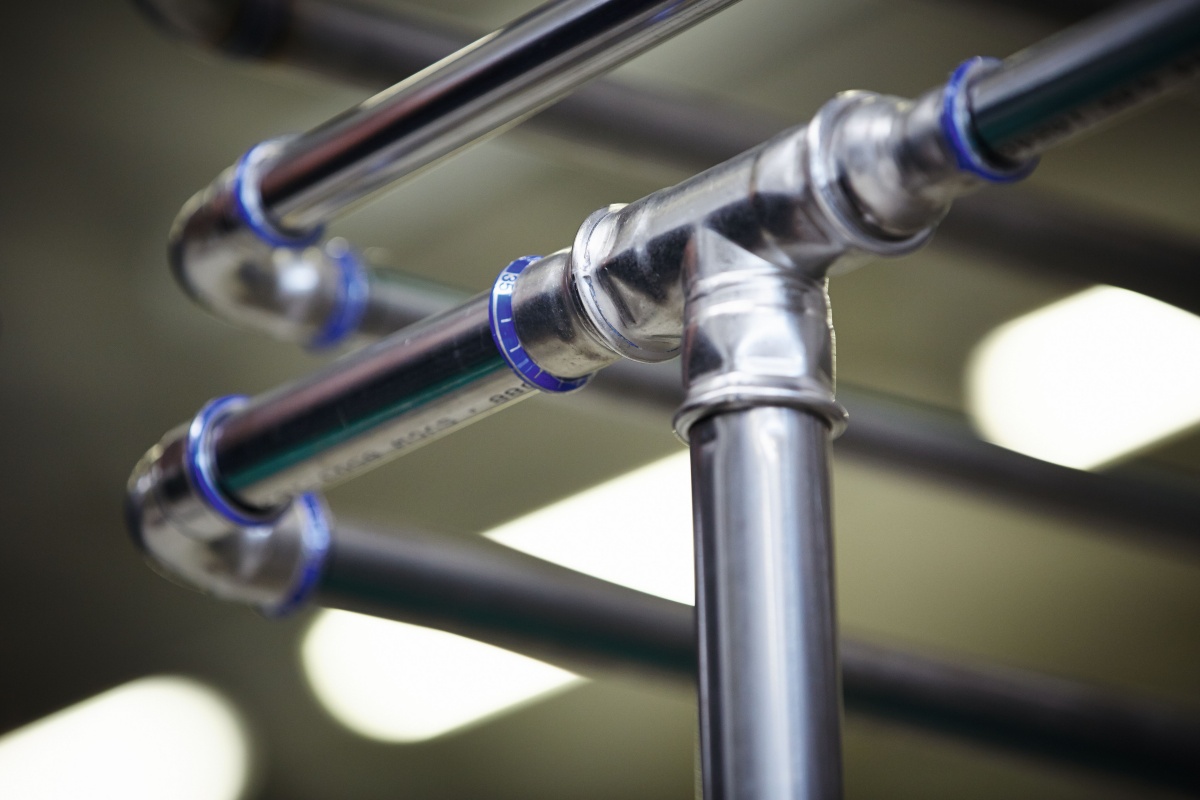
Swiss manufacturer Geberit will present two supply systems for data centre environments - the Geberit Mapress Stainless Steel and Geberit FlowFit - at Data Centre World 2026 in London, 4–5 March 2026. Geberit Mapress Stainless Steel is designed for long-term operation in demanding conditions. The material’s molybdenum content provides corrosion resistance intended to support continuous operation in critical facilities where downtime must be avoided. Geberit FlowFit focuses on installation efficiency. Its lateral pressing method covers pipe dimensions from d16 to d75 using two pressing jaws, reducing tool changes during installation. Inspection windows and pressing indicators allow installers to verify connections, while fitting geometry maintains flow performance and enables smaller pipe diameters to be used. The company says the two systems are intended to support reliability and consistent performance across modern data centre infrastructure.

Power supply options for data centres
In this exclusive article for DCNN, Tania Arora and James Wyatt, Partners at Baker McKenzie (London), examine the evolving landscape of data centre power supply, highlighting why a tailored approach - blending grid connections, on-site generation, microgrids, and emerging technologies such as SMRs and battery energy storage - is increasingly essential for resilience, sustainability, and commercial optimisation: No universal solution Data centres presently require considerable energy resources, with projections indicating a marked increase in their consumption in the coming years. Securing a steady, sufficient, reliable, and scalable power supply is crucial for the financing, operational success, and long-term resilience of any data centre. A universal strategy does not exist for procuring power for data centres; each project requires a tailored approach. The market offers a wide range of power supply options and these are frequently combined to address the specific requirements of each project. The exact power procurement strategy for each project is determined by several factors, most notably the location of the data centre, local regulatory frameworks, its current and future operational needs, and the strategy of the developer (particularly considering other assets / other electricity supply arrangements they own). This article considers power procurement options available in the market and how these could be combined to achieve a successful power supply strategy. The key power supply options available at present include grid power, on-site or adjacent-site power generation, and microgrids (renewable or conventional), supported by backup generators, battery energy storage systems (BESS), and fuel cells. On-site or adjacent-site nuclear power is increasingly viewed as a panacea solution for data centre energy needs, although there are still considerable political, technological, and risk-allocation problems to solve. Data centres usually connect to public electricity grids, but most grids were not designed for their high load. Upgrades and expansions are often needed, which can be time-consuming and expensive. Sometimes, users must pay for these improvements, and further upgrades may be required if the data centre expands. Furthermore, securing a grid connection is rarely guaranteed; capacity reservations may be needed and are often subject to legal conditions. In some cases, installing on-site generation and microgrids can help address grid challenges. This could involve constructing solar and wind power plants (supported by BESS), gas-fired power stations, and/or combined heat and power (CHP) units adjacent to the data centre and supplying electricity directly without relying on the public grid. Furthermore, fuel cell and linear generator systems - as well as small modular reactors (SMRs) - are emerging as low-carbon, scalable power solutions for data centres. While the ongoing costs for self-generated energy are generally much lower, building such a dedicated energy infrastructure typically entails significantly higher upfront costs compared to connecting to the public grid. Furthermore, on-site projects are often constrained by space and planning restrictions, particularly in urban or suburban markets where demand is highest. Sustainable options Sustainability is a key consideration for a number of data centre market participants. Even if on-site wind or solar energy is economically viable for a project, these renewables alone cannot provide a stable base load due to their intermittency. To ensure base-load coverage, additional infrastructure such as energy storage systems, fuel cells, and conventional backup generators are required. SMRs and advanced nuclear technologies are emerging as promising solutions for the rising power needs of data centres. They offer reliable, consistent base-load power, load-following capability, scalable output, low carbon emissions, and a small physical footprint. They can operate independently of the grid or alongside renewables and are designed to be more cost-effective and quicker to deploy than traditional large-scale nuclear plants due to modular construction and established supply chains. SMRs are becoming a tangible reality for data centres. For example, the UK Government recently provided a considerable amount of support for SMRs for data centres through planning reforms, regulatory acceleration, funding, and explicit policy direction encouraging SMR–data‑centre colocation. However, SMRs face challenges: they are largely unproven and most jurisdictions still lack regulatory frameworks tailored to their unique characteristics. Key considerations for deploying SMRs include understanding local nuclear regulations, licensing and approval processes, decommissioning requirements, nuclear waste management, fuel supply security, and site suitability. Addressing these legal and regulatory issues is essential before SMRs can be widely adopted for data centres. BESS has become a key part of data centre power strategies, serving not only as resilience infrastructure but also helping to unlock commercial opportunities. It provides load shifting and peak shaving, thus reducing exposure to volatile wholesale prices and network charges by charging during low-cost or high-renewable periods and discharging power at peak demand. BESS also delivers instant backup power during outages and enables participation in grid services for additional revenue. Key issues include permitting and safety (especially for large-scale systems near nuclear or high-voltage facilities), complex grid connection agreements, and risk allocation where BESS is delivered via third-party energy-as-a-service contracts. Final considerations The near to mid-term future of data centre power lies in combined strategies. Every option in the combination presents its own distinct legal and commercial considerations. Consequently, as strategies become more complex, market participants should anticipate navigating a greater number of legal issues within the context of rapidly evolving regulatory frameworks.

Carrier to showcase AI cooling at DCW London 2026
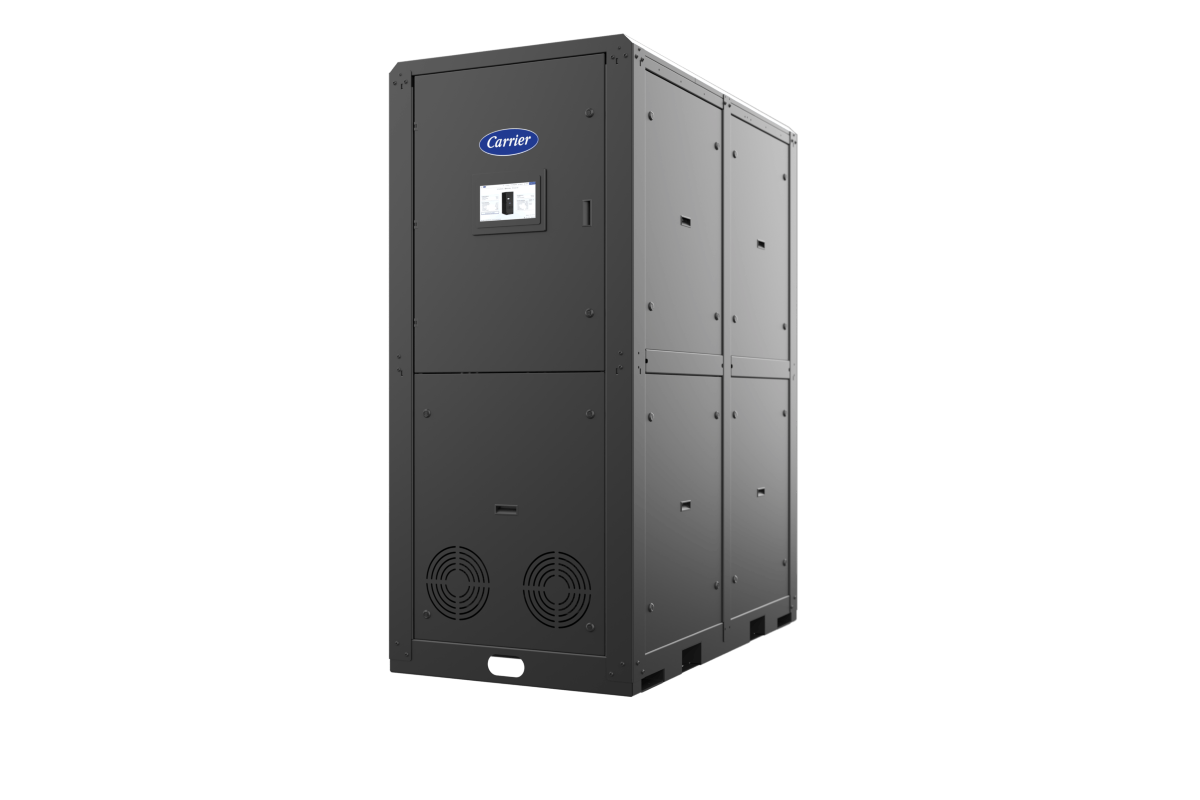
Carrier, a manufacturer of HVAC, refrigeration, and fire and security equipment, will present its QuantumLeap portfolio at Data Centre World London 2026, taking place on 4–5 March. As a Platinum Sponsor, the company will host a panel discussion, a keynote session, and a solo presentation focused on cooling, building management, and lifecycle services for AI-driven data centres. Carrier, part of Carrier Global Corporation, will outline how increasing AI workloads are affecting thermal density and energy consumption across data centre environments. The company says the rapid growth of AI is creating pressure to manage higher heat loads while reducing overall energy use. Its QuantumLeap portfolio includes liquid cooling systems and high-efficiency chillers designed to support next-generation processors and higher rack densities. Integrated management and lifecycle focus Carrier will also highlight its building automation and data centre infrastructure management capabilities. By linking cooling, power, and IT systems through building automation systems and DCIM platforms, the company aims to give operators clearer operational oversight and improved energy control. In addition, Carrier will address lifecycle management, including waste heat reuse and grid participation, as part of broader sustainability strategies within AI data centres. Bertrand Rotagnon, Executive Director Commercial Business Line & Data Centres Europe, says, “Data centres can’t choose between growth, resilience, and energy performance; they need all three. "At DCW London 2026, we’re showcasing Carrier QuantumLeap solutions to help operators simplify decisions, improve efficiency, and move towards measurable energy contribution.” Carrier will be located at Stand D70. The company’s panel discussion takes place at 12:20 on Wednesday, 4 March, with a solo presentation at 15:55 on the same day and a keynote at 14:50 on Thursday, 5 March. For more from Carrier, click here.

Data Centre Alliance appoints new advisory board
The Data Centre Alliance (DCA), the UK trade association for the data centre sector, has appointed a new Advisory Board to lead its expanded Advisory Council. Liam Round has been named Chair, alongside board members Jonathon Freegard, Scott Cunningham, Astrid Wynne, Phil Beale, and John Booth. The appointments reflect experience across different areas of the data centre industry. The board will oversee the Advisory Council’s work in identifying key industry priorities and developing initiatives aimed at informing end users, policymakers, media, and the wider public. Focus on policy, energy, and standards Previous DCA initiatives include: • The DCA UK Data Centre Legislation Horizon Scan report• The Drowning in Data report on data centre water usage• The Data Centre Anti Contamination, Filtration, and Cleaning guide• The Data Centre Planning Policy, Sustainability, and Resilience Initiative guide• EU Code of Conduct for data centres energy efficiency updates• DCA data centre standards whitepapers Liam Round, Managing Director of Teksan UK and now Chair of the Advisory Council at the DCA, comments, “It is an honour to take on the role of Chair of the Advisory Board and Council at The Data Centre Alliance at such an important time for our sector. "Digital infrastructure underpins economic growth, national resilience, and AI development. I look forward to working with the DCA’s leadership and Partners to provide clear guidance, strong governance, and strategic focus as the industry navigates rapid change.” Over the next year, the Advisory Board and Council says it will focus on planning reform, energy market integration, grid access, sustainability, water resilience, AI infrastructure readiness, and industry standards development.

AFL: Why data centre leaders are heading to Stand C110
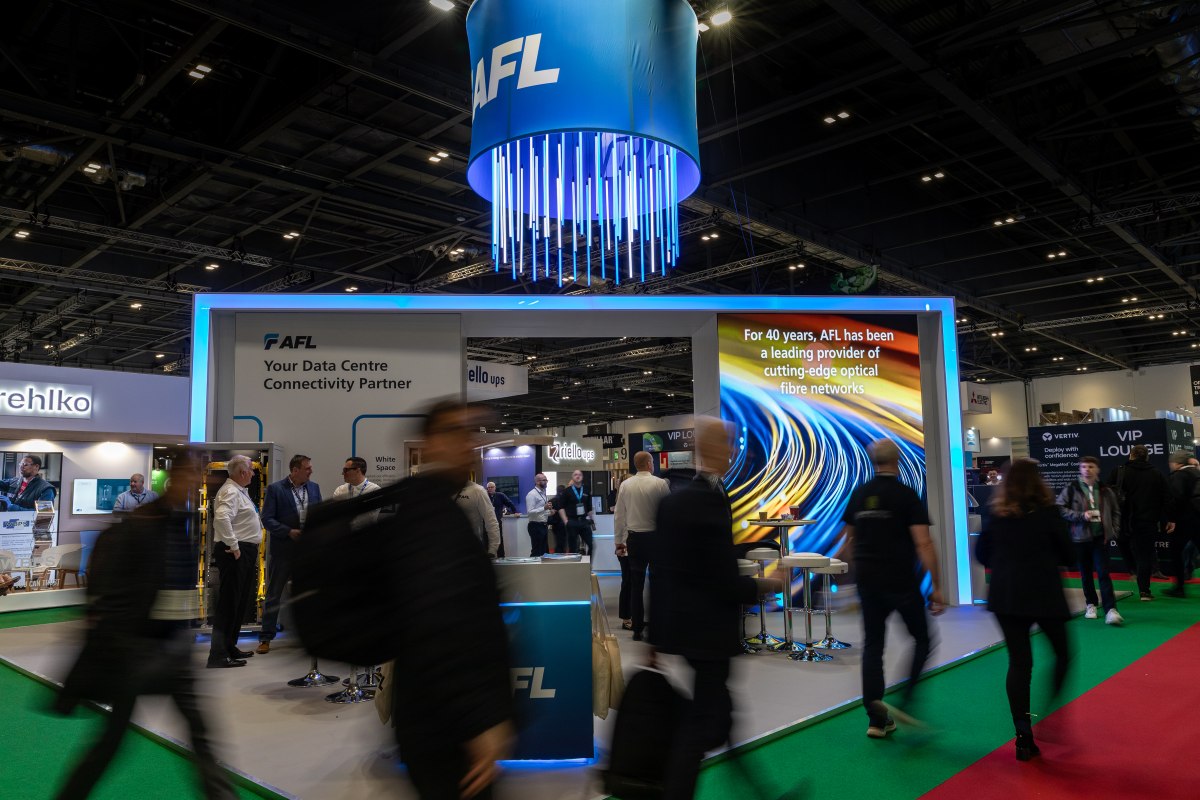
AFL, a manufacturer of fibre optic cables and connectivity equipment, will be attending this year's Data Centre World in London, 4–5 March 2026, exhibiting on Stand C110. In this article, the company tells you about what you can expect: Your AI clusters are hungry for bandwidth. GPU-to-GPU latency is make or break, and you’re being asked to scale yesterday, all while maintaining uptime, managing density, and staying within budget. AFL understands. It has engineered solutions specifically for these problems. What you’ll experience at Stand C110: • Hands-on demos• Industry-first technology• Solutions for your biggest bottlenecks• Modular white space infrastructure you can deploy rapidly• AI-GPU connectivity optimised for ultra-low latency compute fabrics• High-density DCI solutions that maximise available space in cable ducts• Pre-terminated, plug-and-play modules with full traceability to help you deploy faster• Fujikura’s Multi-Core, Hollow-Core, and Mass-Fusion splicers in action – the precision tools that research labs and hyperscalers trust for next-generation fibre deployment• Small-form-factor assemblies – reduce diameter, increase density, maximise airflow and cable pathways• Test with confidence – advanced inspection tools that validate performance before the first packet flows Why AFL for hyperscale data centres? • Globally available — consistent supply chain, wherever you build• Proven reliability — supporting the world’s largest hyperscale networks• Modular and scalable — grow your infrastructure without forklift upgrades• Built for AI workloads — engineered for the bandwidth and latency demands of dense GPU clusters Who should visit the stand? • Network engineers deploying or upgrading DCI links• Data centre architects planning next-generation AI infrastructure• Infrastructure leaders evaluating fibre solutions for hyperscale growth• Operations teams seeking faster commissioning and maintenance workflows Ready to enhance hyperscale efficiency? Bring your toughest connectivity challenges to Stand C110 and see how AFL’s team is already solving the real-world problems you face with innovative solutions ready for immediate global deployment. Find out how its optical fibre experts can help you scale seamlessly across growing hyperscale deployments for AI and cloud. For more from AFL, click here.

'UK cannot delay action on power and infrastructure'
The UK must take urgent action to fix systemic issues in energy and infrastructure to sustain its ambition to lead the global digital economy and become an AI superpower, according to a new report published by trade association techUK. The report, Powering Digital Infrastructure, warns that while demand for data centres and compute infrastructure is accelerating rapidly - driven by AI, cloud, and edge computing - the UK’s energy system is struggling to keep pace. Without reform, rising electricity costs, grid connection delays, and fragmented policy could force investment overseas, undermining economic growth, innovation, and national resilience. The current problems Data centres are now critical national infrastructure (CNI), underpinning everything from financial services and healthcare to research, manufacturing, and public services, all while supporting the Clean Power 2030 Action Plan through Power Purchase Agreements (PPAs) and decarbonised heat. techUK's 2024 report highlights that the UK data centre sector already contributes billions to the economy and supports tens of thousands of jobs, with the potential to add an additional £44 billion in Gross Value Added between 2025 and 2035, if growth accelerates. The UK aims to triple compute capacity to around 6GW by 2030; however, this is colliding with structural constraints. Electricity prices for UK data centres are among the highest in the developed world - roughly four times those in the United States and about 46% above the median of 31 International Energy Agency (IEA) countries - while grid connection delays of up to eight years are becoming commonplace. As a result, techUK’s report identifies several interconnected risks for the UK if the situation remains unchanged, including loss of global competitiveness, grid bottlenecks and delays, and risks to the country's energy security and resilience, which could be compounded by growing geopolitical shocks and tensions. If left unaddressed, the report warns that the UK will struggle to meet its ambition of being an “AI maker”, weakening sovereignty and long-term economic control. The proposed solutions The report sets out a clear programme of solutions to minimise these risks: • Reform the grid connections process to prioritise committed, non-speculative projects; provide greater transparency over the queue; and offer phased connection agreements that reflect how data centres are actually built. • Reduce electricity costs for digital infrastructure through levy reform, targeted exemptions, and improved access to long-term power contracts, restoring international competitiveness. • Accelerate planning and delivery by enabling nationally significant data centre projects to move faster through the planning system and clarifying eligibility for prioritisation schemes. • Unlock private investment in networks by allowing the private sector to help build and finance grid infrastructure where it can reduce delays and costs. • Align digital growth with clean power by supporting renewable PPAs, co-location with generation, energy storage, and, where appropriate, nuclear and small modular reactors (SMRs). • Maximise local benefits by embedding data centres into regional growth strategies, supporting skills development, waste-heat reuse, and supply-chain expansion. Data centres can be part of the solution, acting as anchor customers for new renewable generation, supporting grid investment, and helping spread fixed system costs across a larger base of electricity demand. Matthew Evans, COO and Director of Markets for techUK, says, “Economic growth is directly linked to power and our country’s ability to digitise. If the UK is serious about unlocking economic growth, it needs to move decisively to fix energy costs, grid access, and regulatory fragmentation. "The results will unlock new cycles of investment and support the country’s decarbonisation efforts, as well as both national and regional growth. If we don’t, the UK risks falling behind at the very moment global competition is accelerating.”

Vertiv launches UK UPS trade-in programme
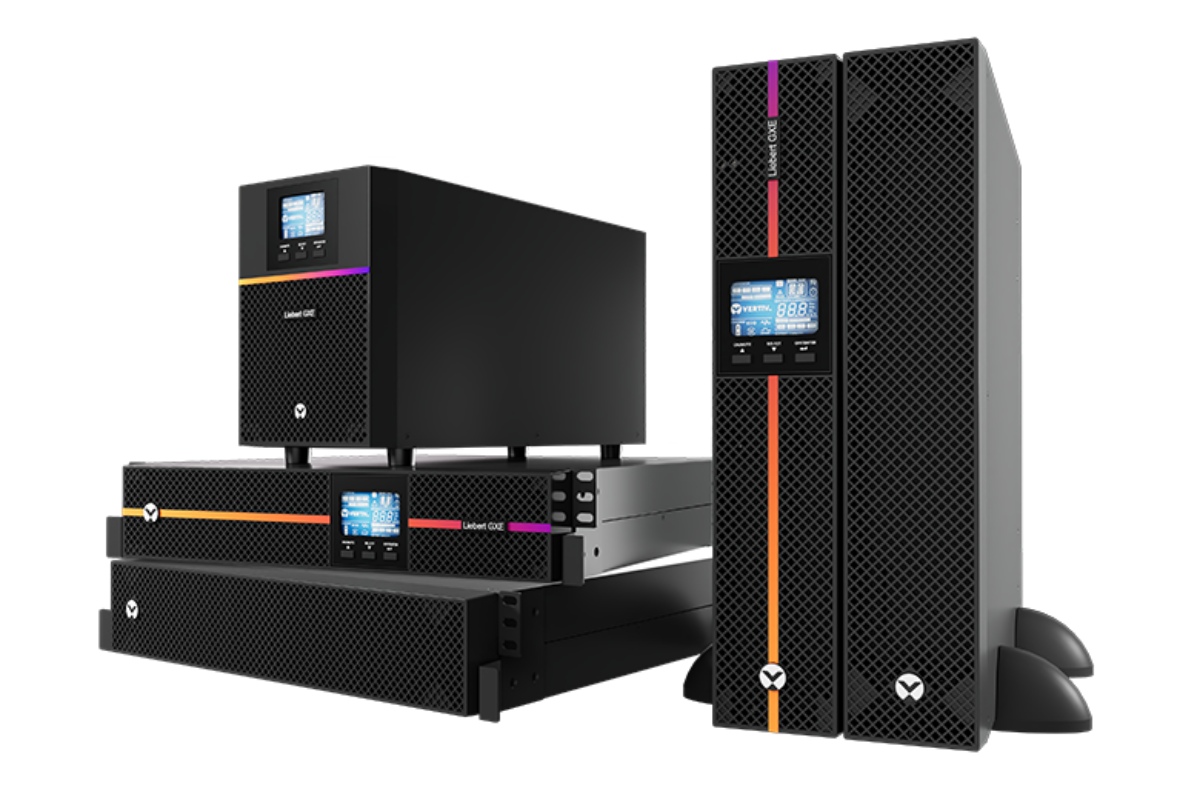
Vertiv, a global provider of critical digital infrastructure, has launched a UK-wide 'Power Swap' programme that allows organisations to replace older single-phase uninterruptible power supply (UPS) systems with newer models. The initiative includes collection, refurbishment, and recycling of legacy equipment to support compliance with Waste Electrical and Electronic Equipment (WEEE) regulations and reduce electronic waste. The programme applies to single-phase UPS units up to 5kVA from any manufacturer. Participants receive a discount code for a replacement unit and can arrange free, on-site collection of the old system. Recycling and upgrade process Vertiv manages the process from registration to recycling. Businesses submit details of an existing UPS through a partner, receive approval, purchase a replacement unit, and schedule collection of the retired equipment. Eligible replacements include the Vertiv Edge, Vertiv Liebert GXT5, and Vertiv Liebert GXE UPS ranges. Stuart McDougall, Channel Marketing Specialist, Northern Europe at Vertiv, says, “While many UPS vendors offer recycling or limited trade-in options, the Vertiv Power Swap programme is designed specifically for the UK channel and single-phase UPS market, uniquely combining discount incentives and an efficient trade-in process. "The Vertiv Power Swap program helps our partners to reduce their carbon footprint. With the launch of this new initiative, we're supporting UK businesses to upgrade their power protection whilst decreasing their environmental impact." Martin Ryder, Channel Sales Director, Northern Europe at Vertiv, adds, “This program strengthens our commitment to the channel by providing partners with an opportunity for enhanced margins, and customers with reliable, innovative UPS technology. "The Power Swap Program makes it easier than ever to transition to high-efficiency solutions like the Vertiv Edge, Vertiv Liebert GXT5, and Vertiv Liebert GXE, enabling greater uptime and cost savings in today's demanding IT environments.” The programme is available to UK customers and partners until the end of 2026. For more from Vertiv, click here.


Translate »